

7MMO
Moderator
- RTX Spark laptops will range from $2,600 all the way up to $7,000.
- Pre-orders open now.
- Release date is October 16, 2026.
It is the best of times, it is the worst of times to unveil a whole new line of agentic and local AI-focused laptops. The new RTX Spark laptop hardware is going into a slew of big name, big brand notebooks, with pre-orders opening up now and, with the level of unified memory necessarily inside them, the pricing is getting on for prohibitive.
But it was always going to be that way. These are laptops built for AI processing and they need a ton of memory, and AI is the big thing right now so we need laptops that are designed from the ground up to run the best local models beautifully. But we're also at a point where AI is the big thing right now and that has sucked up all the available memory manufacturing making producing new PC hardware uncomfortably expensive.
There's a certain ouroboros-like feeling around these new machines, where they're designed for a world that is specifically making systems like them harder to make and sell to normal humans without seven figure incomes.
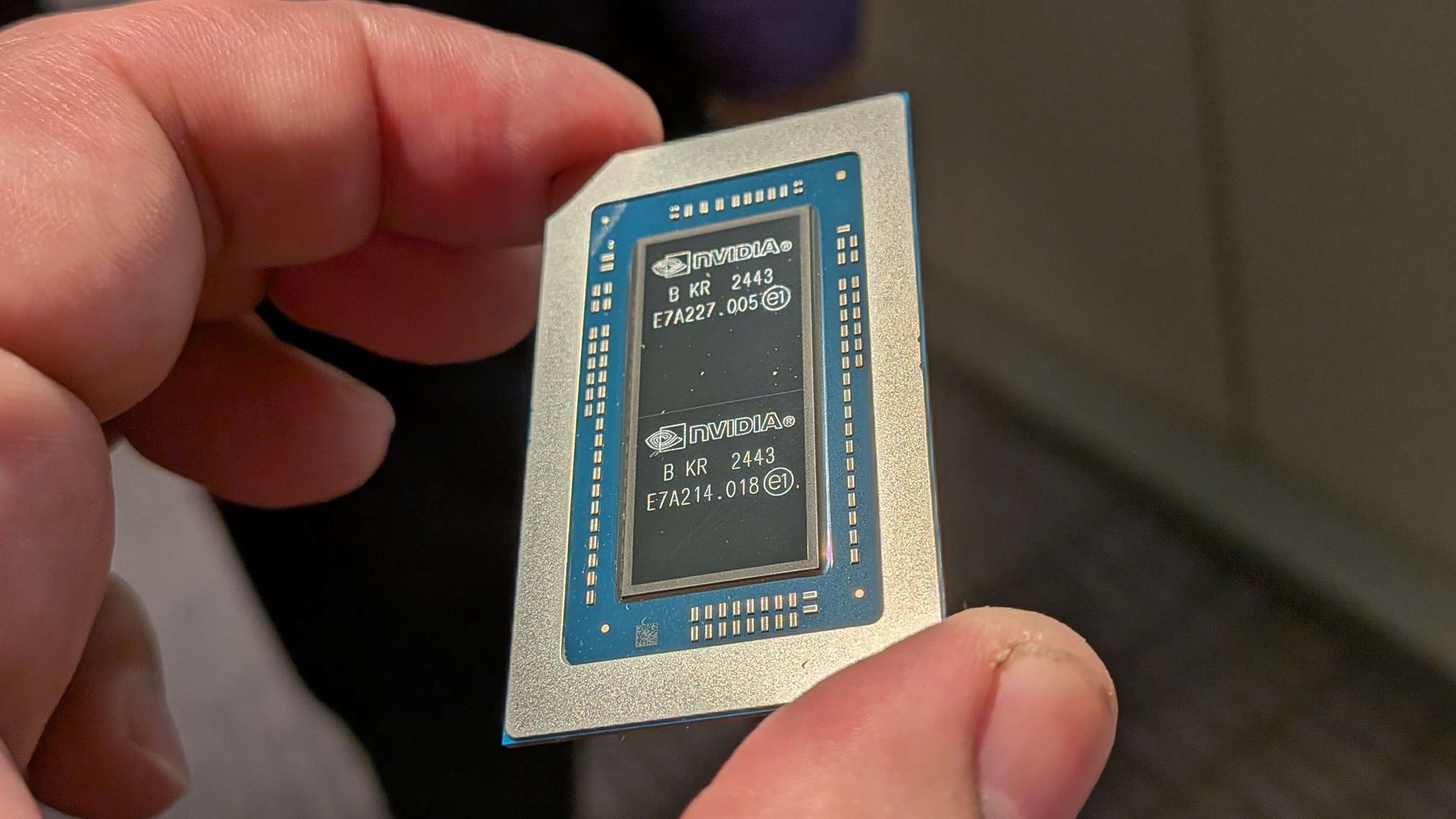
The new machines come with two flavours of Nvidia N1X processor; either the 20-core, 6144 CUDA core'd design, or the 18-core, 5120 CUDA core version. And with those Arm-based SoCs, sporting Nvidia GPU components, you're getting varying levels of un-upgradeable, soldered-on unified memory, from 24 GB all the way up to 128 GB.
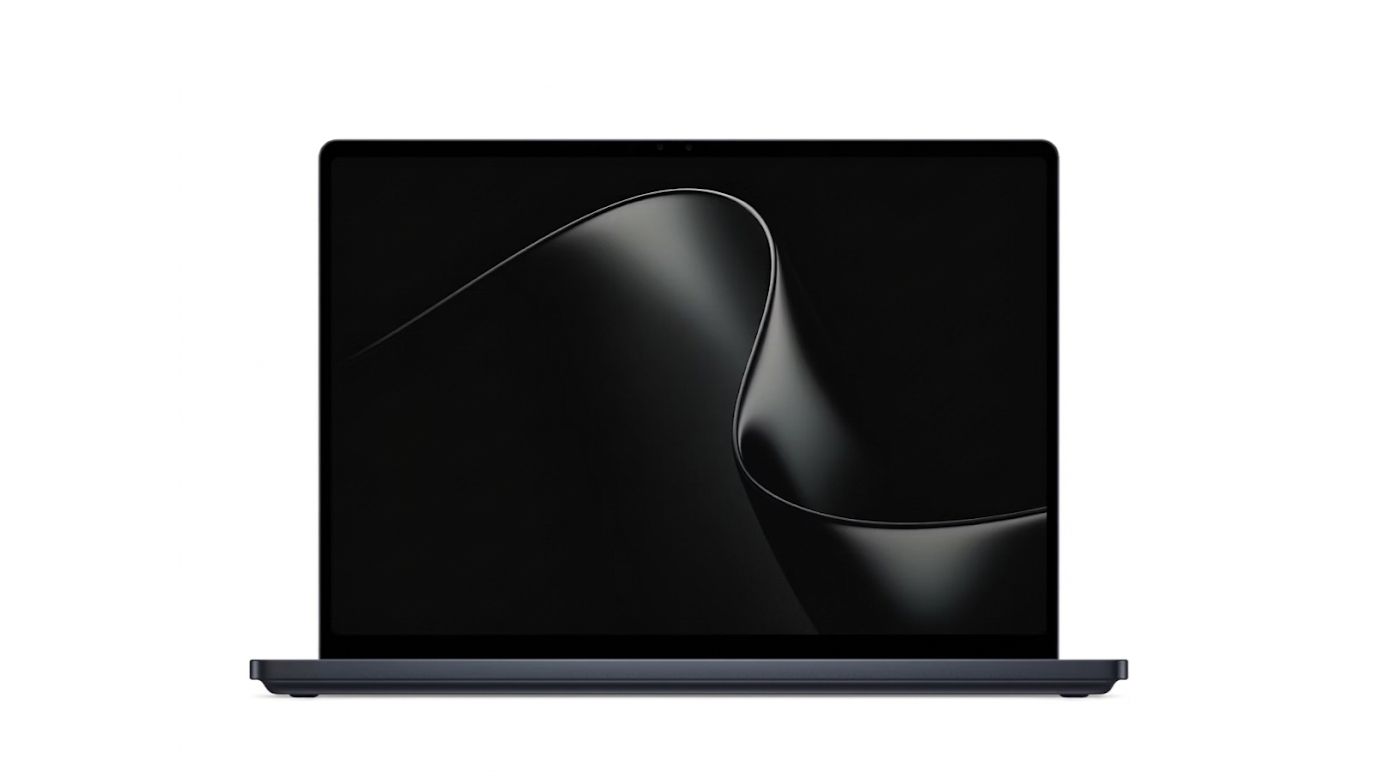
(Image credit: Microsoft)
And, if we take the entry-level version of the new Microsoft Surface Ultra laptop as an example, that 24 GB config, with the 18-core N1X will run you about $2,600. With a 512 GB SSD inside it. That is a lot of money for an Arm-based laptop relying heavily on emulation—at least right now—with not a lot of internal hardware, especially when the noise around RTX Spark is about its utility as a local AI beast.
24 GB of unified memory, shared therefore between CPU and GPU, doesn't feel like it's going to be able to get you access to the best local models, and that 512 GB SSD isn't going to be able to house too many of them, either. This is a slightly apples vs oranges comparison, I'll grant you, but a laptop with an RTX 5070 Ti and 16 GB of RAM is going to have a greater pool of memory to draw from, and you can pick one of those up for around $1,000 less than the cost of the cheapest Surface Ultra today.
To be honest, I would find it really hard to make a case for the lowest-spec Sparks right now, even though I know local models are getting ever more efficient and capable within memory-restricted environments. But if I'm dropping serious money right now specifically on a laptop that's positioning itself as being designed for local AI compute, I want to know I've got a pool of memory that's going to be solid for its lifetime. And it needs to be because there is no upgrading that memory once you've configured your purchase.
Those models might be getting more efficient, but I'm still going to want to be running as close to a frontier model as I can get on my local hardware, and that is always going to need a big pool of the memory good-stuff.
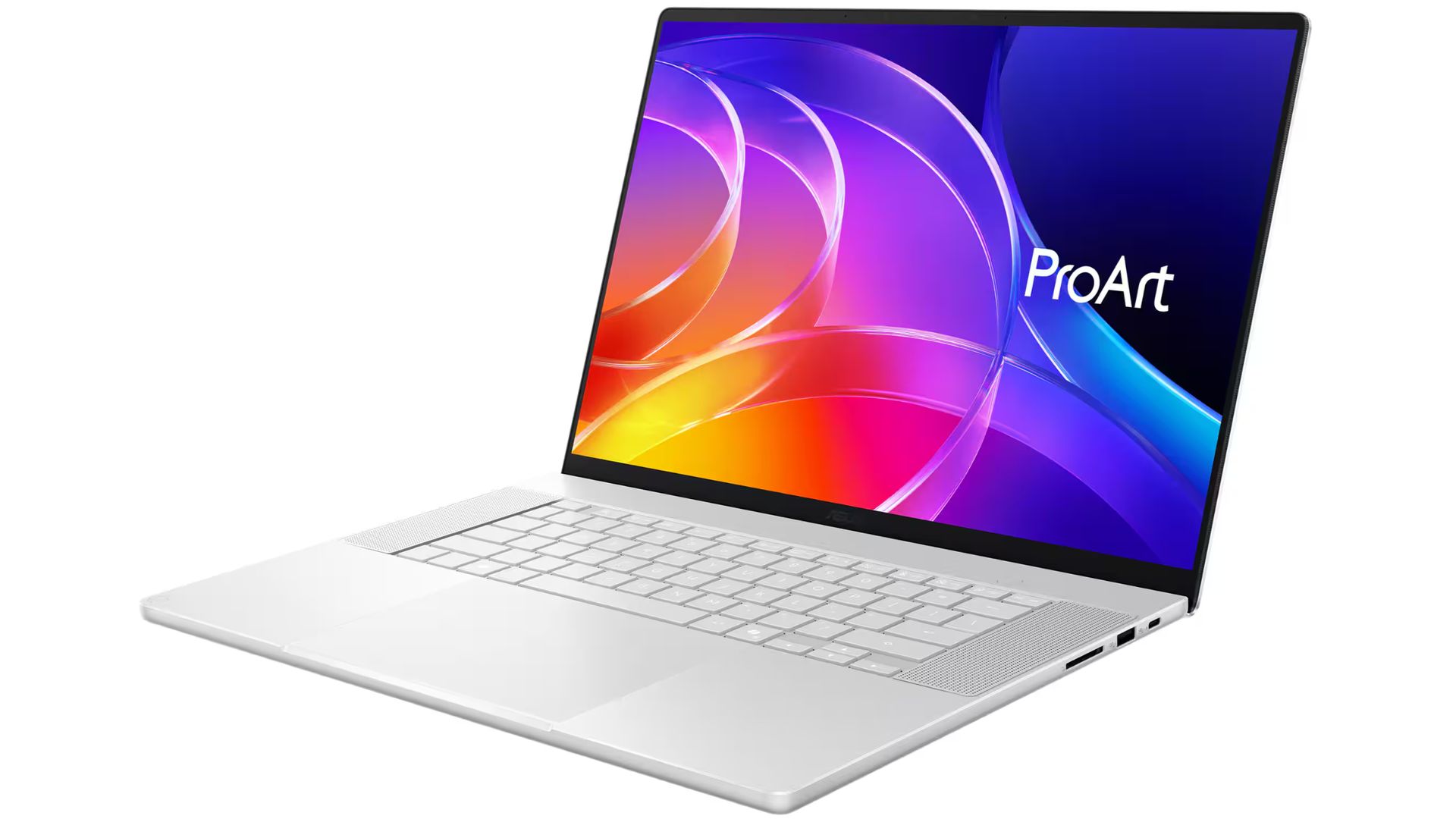
(Image credit: Asus)
But that's not to say I would necessarily find it impossible to be positive about the pricier models. And they do get expensive. The fully kitted out Asus ProArt P16, with 128 GB unified memory and a 2 TB SSD will run you $7,000
 But the 64 GB version is a more reasonable $4,500 and you could have a whole lot of local AI-based fun with that bad boy. And the ProArt P16 is rather gorgeous, looking for all the world like a very serious Zephyrus G16. If you wanted the 64 GB Surface Ultra that comes in at $4,300, for comparison, too.
That starts to feel a lot more reasonable—obviously within the context of this whole f'd up world of AI-generated PC hardware pricing—when you think about the fact a Blade 16 with an RTX 5080 and 64 GB RAM will set you back $4,700. Premium hardware is painfully expensive across the board.
I will admit, though, I'm really excited about getting my hands on an RTX Spark laptop and giving it a run around the block. I know gaming is not the main focus, more a pleasing byproduct and definite boon for the AI builders to kick back with when they've hung up their agentic hat for the day. But we're expecting RTX 5070-level gaming performance out of these machines (they have more cores, but lower power budgets and more limited memory bandwidth owing to the unified LPDDR5x memory) with the expectation that will be the same case whether or not they're plugged into the wall for power.
I've played games on them at shows, but I will be fascinated to see how things look when we throw the full PC Gamer benchmarking suite at one.
(Image credit: Future)
That's intriguing all by itself, but I've also spent a lot of time over the past year messing around with local AI models and I'm really looking forward to seeing what happens when I jam ComfyUI and Unsloth desktop on there, too.
But pricing is obviously a pain point, as it is for any system right now, whether high-end or no, and these first-gen devices are going to be a tough sell to a wider audience rather than the already-invested AI builder crew. But this has the potential to be a big turning point for the industry.
Not only do we have Microsoft entirely dropping the 'On Arm' suffix for its Arm-focused OS, and not only do we have a mainstream Arm SoC, but it's one that's also tied to a meaningfully powerful, effectively discrete GPU component.
And not only that but Windows' new Hybrid Intelligence toggle has the potential to bring a whole lot of AI processing that was once shunted into the cloud—taking up datacenter capacity unnecessarily for drawing a flyer for your band or a kid's birthday party—and making it local without the end-user having to really think about it.
That has the potential to ease the datacenter burden and maybe, just maybe ease some parts of the memory crisis itself. So, if you were trying to be positive, maybe this ouroboros could be about to spit out its own tail.
Continue reading...
