

7MMO
Moderator
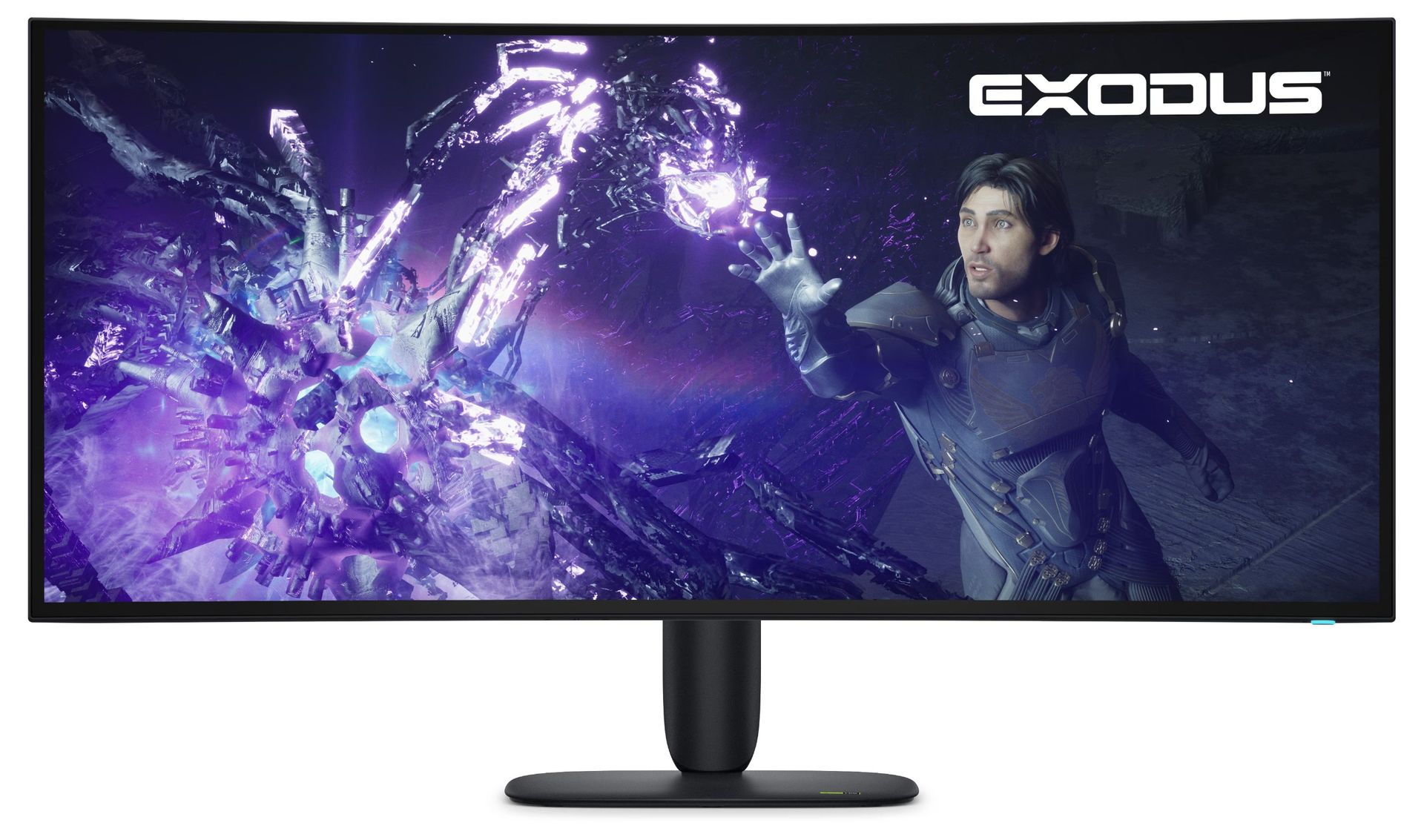
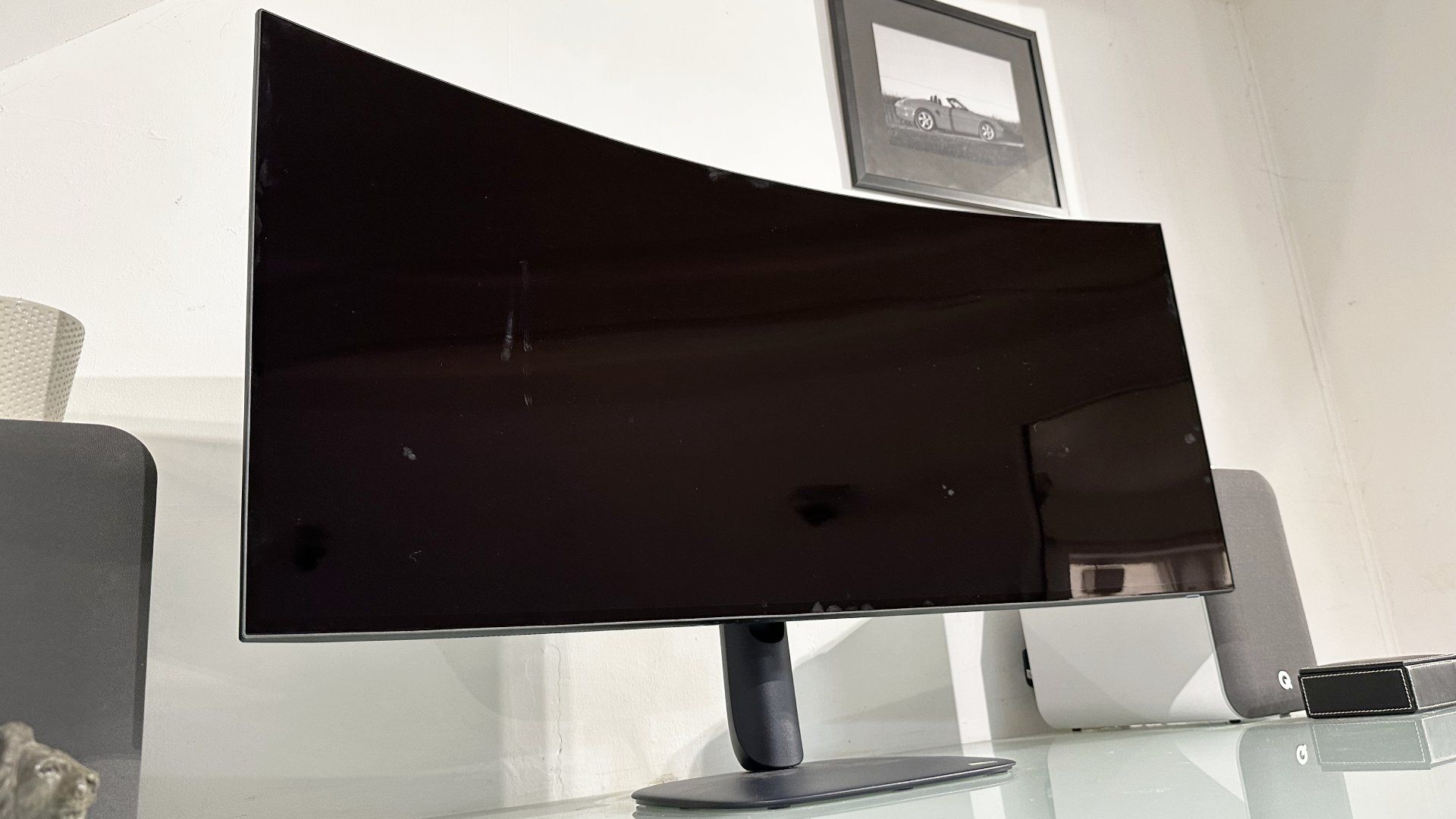
The Alienware AW3926QW was already a great deal at its $1,099 launch price. Slashed to $999, it's frankly stellar for a 5K2K 39-inch wonder monitor using LG's very latest RGB-stripe Tandem WOLED panel tech. It's the best gaming monitor, bar none.
Key specs: 39-inch | 5,120 x 3,840 | LG Tandem WOLED RGB-stripe | 300 / 1,300 nits | 165 / 330 HzView Deal
Look, yes, I know. $1,000 is still a lot of money. And yet it's an absolute steal for the Alienware AW3926QW. Because it is currently the finest PC gaming monitor on Planet Earth.
You can check out my AW3926QW review here. The one addendum to be aware of up front is that Alienware has released a firmware update that fixes the so-called "vignette dimming" issue. And thus my sole reservation is a goner and the AW3926QW is now about as close to gaming panel perfection as I've just about ever seen.
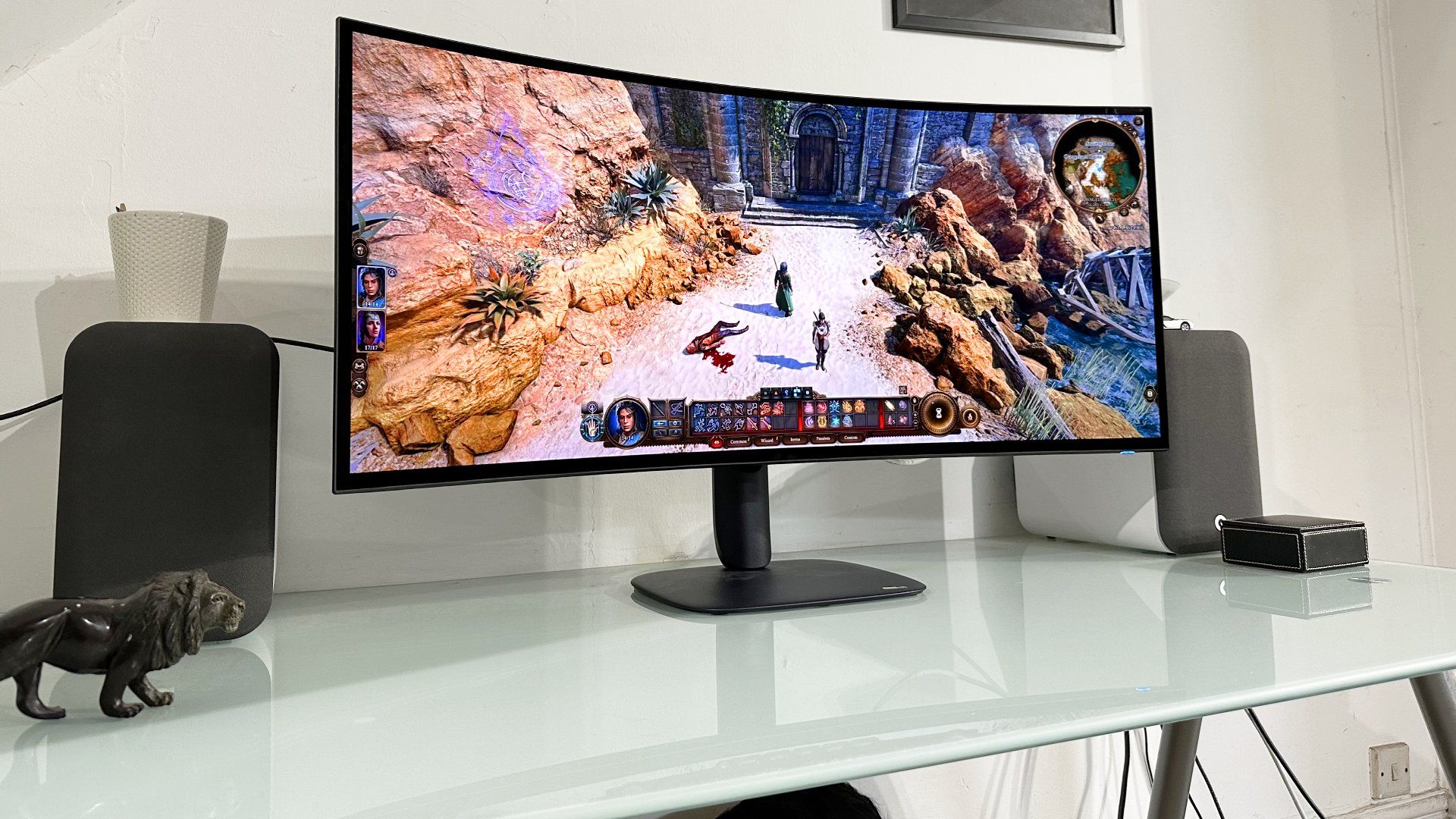
So, what exactly do you get for your thousand bucks? This is a 39-inch 5K2K panel, which basically means it's a 16:9 32-inch 4K monitor widened out to 21:9 aspect. It has the same height and super-crisp pixel density as a 32-inch 4K panel, in other words, and if you run 16:9 content full screen, you'll be looking at a 32-inch monitor with black bars on the sides.
- Check out all the best Black Friday SSD deals we've spotted, or follow us for more deals on WhatsApp.
Of course, this is an OLED panel—and an LG WOLED, at that—so those black bars will actually be black. That's because all OLED panels have perfect per-pixel lighting and LG WOLEDs don't suffer from the purple-tint problem in bright ambient light you see with Samsung QD-OLED panels.
What's more, this is no ordinary LG WOLED-based monitor, but the very latest Tandem WOLED tech, making it brighter, more vibrant and more resistant to burn-in. But the chef's kiss detail is that it's also RGB-stripe in terms of subpixel structure.
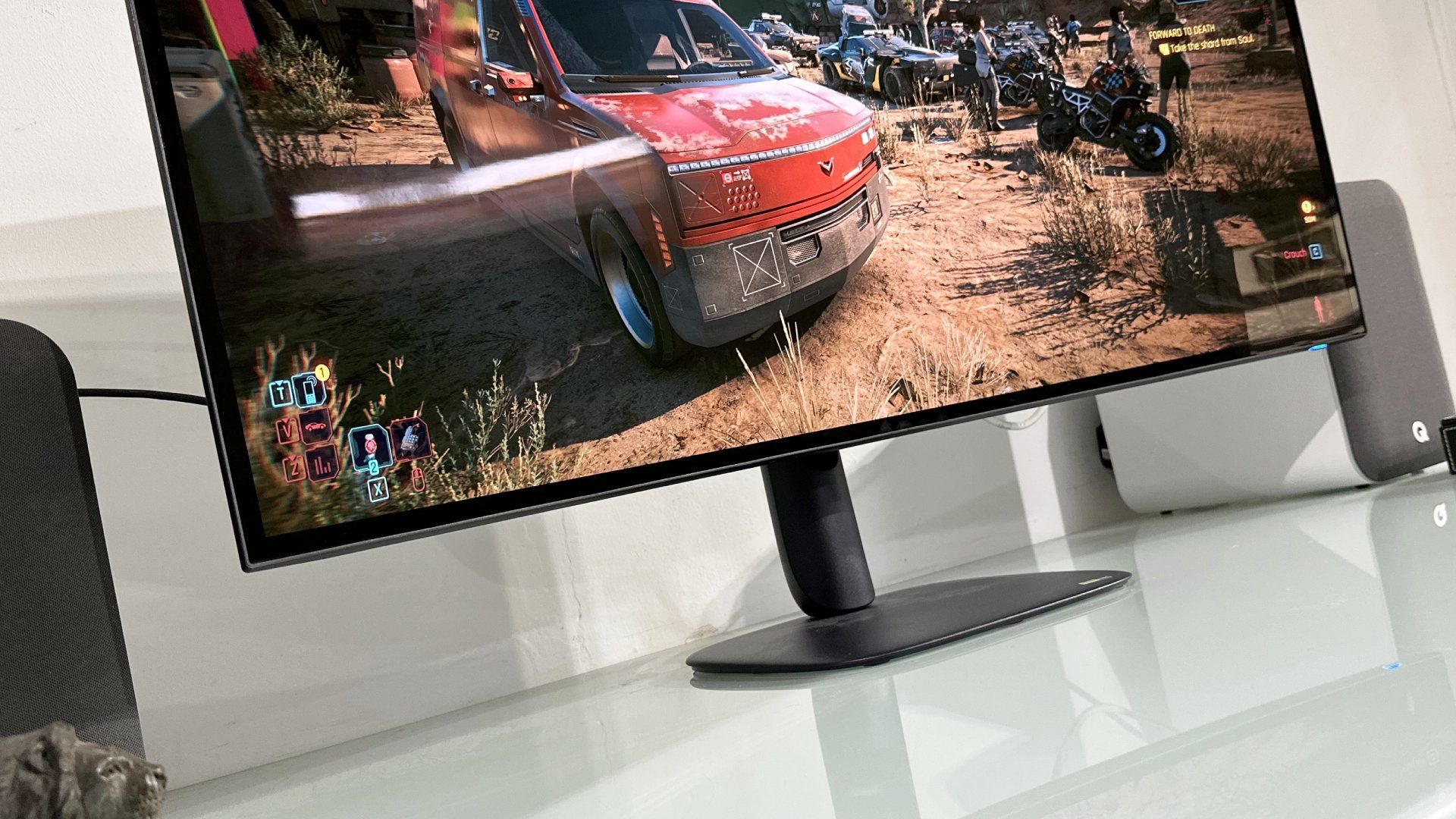
All previous LG WOLEDs have an extra white subpixel to boost brightness. That's had a negative impact on not only visual crispness, introducing issues like text fringing, but also colour volume and vibrancy. Long story short, cranking up the white subpixel boosts white brightness and makes for good on-paper specs, but comes at the expense of colour volume and perceived vibrancy.
Future
Future
Future
Future
Strictly speaking, removing the white subpixel does reduce peak brightness. But this panel is still good for 300 nits full screen and 1,300 nits peak HDR. And it's just so, so much nicer than WOLEDs with the white subpixel. In fact, it looks a lot like Samsung QD-OLEDs in terms of colour richness, just without the purple-tint and overly warm colour temp issues of QD-OLED.
If you're really looking for downsides, the one obvious shortcoming is the 165 Hz refresh rate at native resolution. That's pretty pedestrian these days. But then, in reality, you're not going to be driving the 5,120 by 3,840 native at 200fps-plus anyway. And there's are various lower resolution 330 Hz modes for when frame rate and low latency are a priority.
Add in the gentle 1500R curve and epic immersion from the 21:9 aspect ratio on a panel this big and you have a simply incredible experience. That applies to both gaming and daily computing duties.
As for the ever worrisome issue of burn-in, well, you know you've got at least three years in your pocket thanks to the warranty. It's hard to be totally sure exactly how long OLED gaming monitors will last, the oldest of them only appeared four years ago. But all the signs are that for typical usage, they'll go well beyond the warranty cover before burn-in become a serious issue.
All of which means this really is the best the monitor industry currently has to offer. In this day and age, $1,000 for all that is one heck of a deal. Of course, if $1,000 is a little too rich, there are some stellar deals to suit almost any budget on our Black Friday monitor deal page.
 Check out all of Dell's Black Friday monitor deals

Continue reading...
